

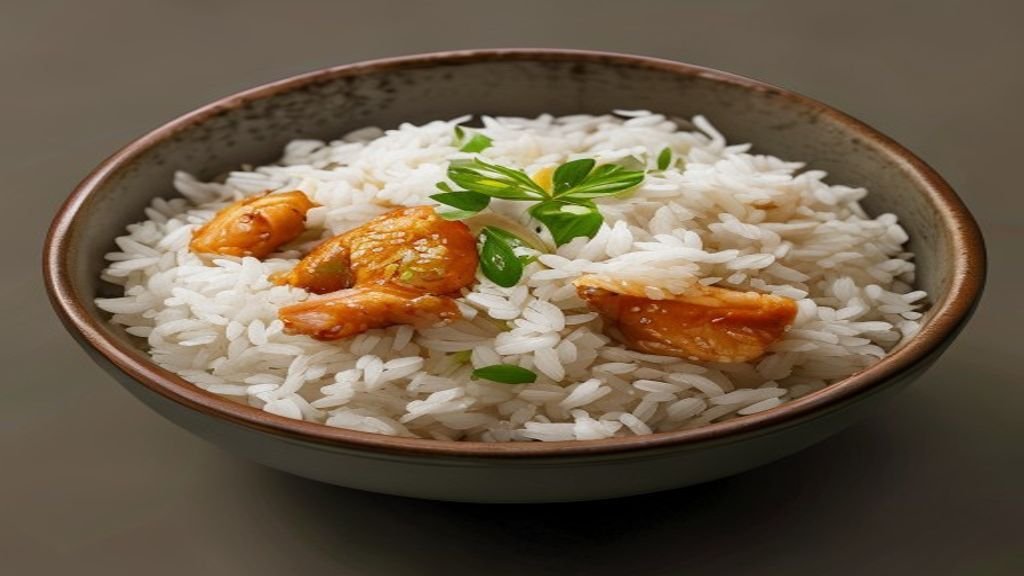

Rice is a common one to ask about if you’re used to mixing home-cooked food into your cat’s bowl — the honest answer is that it’s safe in small amounts, but it’s worth understanding why it isn’t doing much for your cat nutritionally, given how differently cats process food compared to dogs.
Quick disclaimer: I’m a pet parent and content researcher, not a veterinarian. This is general guidance — check with your vet if your cat has a specific digestive or kidney condition.
Plain, cooked rice: safe in small amounts
Per PetMD and Chewy, plain, fully cooked rice is safe for cats. Uncooked rice is not — it poses both a digestive upset risk and potential toxicity from a compound called lectin, so this isn’t a “cook it if you feel like it” suggestion, it’s a hard rule.
Why cats don’t benefit from rice the way dogs might
This is the part worth understanding rather than skipping: cats are obligate carnivores, meaning their bodies are built to thrive on animal protein, not grains or carbohydrates. Rice offers minimal real nutritional benefit for a cat and isn’t an ideal energy source for their biology — it’s neutral-to-mildly-useful at best, not a health food the way it might be framed for dogs or humans.
When rice actually earns a place in the bowl
Many vets do recommend a small amount of plain rice mixed with a bland, easily digestible protein (like plain boiled chicken) as a short-term bland diet to help settle a cat’s stomach during a mild bout of diarrhea or digestive upset — this is a temporary, functional use, not a reason to make rice a daily staple.
How much is reasonable
Keep any “extra” food, rice included, to no more than about 10% of daily calories — for most cats, that works out to roughly a teaspoon or less mixed into a regular meal, not a scoop alongside it.
The real risk of overdoing it
Because cats need concentrated animal protein, letting rice (or other carb-heavy fillers) take up too much space in the diet can crowd out the protein, taurine, vitamins, minerals, and essential fats a cat actually needs — over time, this matters more for a cat than it would for an omnivore like a dog or a human.
Frequently asked questions
Is white rice or brown rice better for cats?
Either can be fed plain and cooked in small amounts — brown rice has slightly more fiber, but neither is a significant nutritional upgrade given how little cats actually need grains in their diet.
Can rice help with cat diarrhea?
A small amount mixed with a bland protein is a commonly used short-term approach, but persistent or worsening diarrhea still needs a vet visit rather than ongoing home management with rice alone.
Can kittens eat rice?
Small amounts, occasionally, are generally not harmful, but kittens have even higher protein needs for growth, so rice shouldn’t take up meaningful space in a kitten’s diet.
My cat ate raw rice grains that fell on the floor — should I worry?
A few stray grains are unlikely to cause serious issues, but watch for vomiting or digestive upset, and contact your vet if your cat consumed a larger uncooked amount.