

This blog’s been reviewed by Dr. Meera Iyer, BVSc & AH, MVSc, a professional veterinarian and Veterinary Wellness Advisor at Pawscuit — Small Animal Practice (Bombay Veterinary College).
With 5+ years of clinical experience in advising first-time and experienced pet parents on breed selection and preventive care, Dr. Meera has reviewed this dog breeds guide so that the breed, climate, and housing-fit guidance stays accurate and realistic for Indian pet parents.
Every “types of dog breeds” article you’ll find on an Indian pet site is the same AKC-style list ported over from a US blog: Herding, Working, Toy, Hound, Non-Sporting. That grouping tells you nothing about whether a dog will survive a Chennai summer or settle into a 2BHK in Pune. I’ve rebuilt this list around the questions Indian buyers actually ask me: will this dog be okay in my climate, my flat, my building’s rulebook, and my budget.
First, sort by climate — this matters more than looks
India’s heat and humidity are harder on some breeds than the coat-colour chart on a breeder’s Instagram page will ever tell you. Heavy double-coated northern breeds (Huskies, Alaskan Malamutes, Saint Bernards) are bred for sub-zero winters, not a 40°C May in Delhi. They can live here, but only with serious investment in cooling, grooming, and never leaving them outdoors in the afternoon.
| Climate fit | Breeds | What it means for you |
|---|---|---|
| Built for Indian heat | Indian Pariah Dog, Rajapalayam, Mudhol Hound, Chippiparai | Lowest cooling/grooming overhead; often healthiest option for the climate |
| Manage okay with care | Labrador, Beagle, Pug, Dachshund, Indie mixes | Fine with shade, water, and no midday walks |
| Need real climate investment | Siberian Husky, Golden Retriever, German Shepherd, Saint Bernard | AC access and heavy grooming are non-negotiable, not optional |
| Struggle most | Alaskan Malamute, Bernese Mountain Dog, Newfoundland | Possible only with dedicated climate control — think hard before buying |
Apartment-friendly breeds (the question I get asked most)
“Will my society allow this?” and “will this dog be okay in 700 sq ft?” are really two different questions, and most lists conflate them. Size matters less than energy level and noise. A Beagle in a small flat with no exercise will bark and dig at the door; a Great Dane that gets two long walks a day is often calmer indoors than a small, under-exercised terrier.
- Low-energy, quiet, small space: Shih Tzu, Pug, French Bulldog, most senior Indies
- Medium energy, needs daily walks but adapts well: Labrador, Cocker Spaniel, Beagle, Indian Pariah mixes
- Large but surprisingly apartment-calm with enough exercise: Golden Retriever, Great Dane, Rottweiler
- Not realistic for most apartments: Siberian Husky (escape artist, needs real running room), working-line German Shepherds, Belgian Malinois
Guard and protection breeds — and the housing-society reality
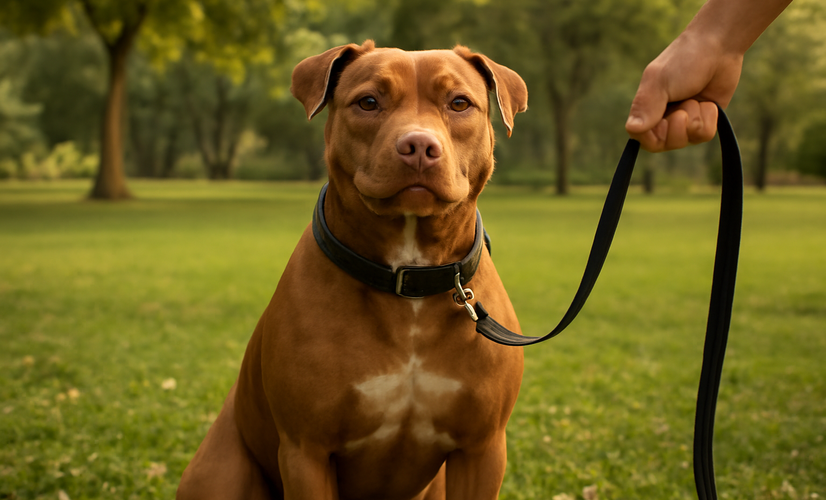
German Shepherds, Rottweilers, Dobermans, and Rajapalayams are the default “security dog” answers in India, and for good reason — territorial instinct plus trainability. But before you commit, check two things most buyers skip: your RWA/society bylaws (some restrict “aggressive” breeds outright, others require muzzling in common areas) and whether you can actually commit to structured training. An untrained guard breed is a liability, not a deterrent.
First-time-owner breeds
If this is your first dog, temperament forgiveness matters more than a breed’s reputation. Labradors, Golden Retrievers, Beagles, and well-socialized Indies are the most forgiving of a first-timer’s training mistakes. Save working-line Shepherds, Belgian Malinois, and primitive breeds like the Rajapalayam for when you’ve handled at least one dog already — they’re smart enough to find the gaps in inconsistent training fast.
Low-maintenance grooming breeds
Double-coated breeds (Husky, Golden Retriever, German Shepherd) shed heavily twice a year and need brushing 2–3 times a week year-round in India’s climate, since the coat never fully “rests” the way it does in a temperate country. If grooming time or cost is a real constraint, short-coated breeds — Labrador, Boxer, Indies, Dobermans — are the more honest choice, even though a fluffy Pomeranian photo is more tempting at the breeder’s shop.
Where Indian breeds fit into all of this
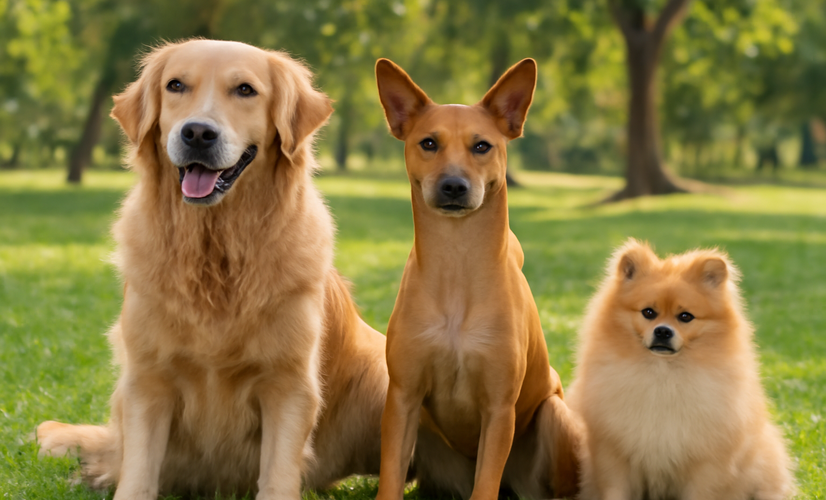
The Indian Pariah Dog, Rajapalayam, Mudhol Hound, Chippiparai, Kombai, and Bakharwal are frequently left off “types of dog breeds” lists entirely, which says more about marketing than merit. They’re climate-adapted, generally hardier, and far cheaper to acquire (often free via adoption) than imported breeds marketed as premium. If you want a dog suited to Indian conditions without the health issues that come from decades of conformation breeding abroad, start here before you start scrolling import listings.
Buying vs. adopting, across every category above
Every breed category on this page is also available through adoption — shelters and rescues across India regularly have Labrador mixes, Indies, and even purebred Shepherds and Huskies surrendered by owners who didn’t plan for the breed’s real needs. Adoption fees typically run ₹0–5,000 versus ₹15,000–1,00,000+ for a puppy, and you usually get a far better read on the dog’s actual adult temperament.
A few questions worth settling before you pick a breed
Which dog breed is best for Indian weather?
Indian native breeds — Indian Pariah Dog, Rajapalayam, Mudhol Hound — are the best-adapted by a wide margin, since they evolved in this climate rather than being imported into it.
What’s the best dog breed for a small apartment in India?
Energy level and noise matter more than size. Shih Tzus, Pugs, and calm Indie mixes tend to do better in small flats than high-energy small breeds like Beagles.
Are foreign dog breeds unhealthy in India?
Not inherently, but breeds developed for cold climates (Huskies, Malamutes, Saint Bernards) need real investment in cooling and grooming to stay healthy here — it’s a management cost, not a guarantee of poor health.
Is an Indian Pariah Dog a “real” breed?
Yes — it’s one of the oldest natural breeds in the world, recognized by the Kennel Club of India, just historically under-marketed compared to imported breeds.
For exact budgeting on any specific breed mentioned above, our German Shepherd, Labrador, and Husky price guides break down real India costs tier by tier.
I’m not a veterinarian — I’m a pet parent and content researcher. This guide is meant to help you ask better questions before you choose a breed, not replace a conversation with a vet, trainer, or reputable breeder about your specific situation.