

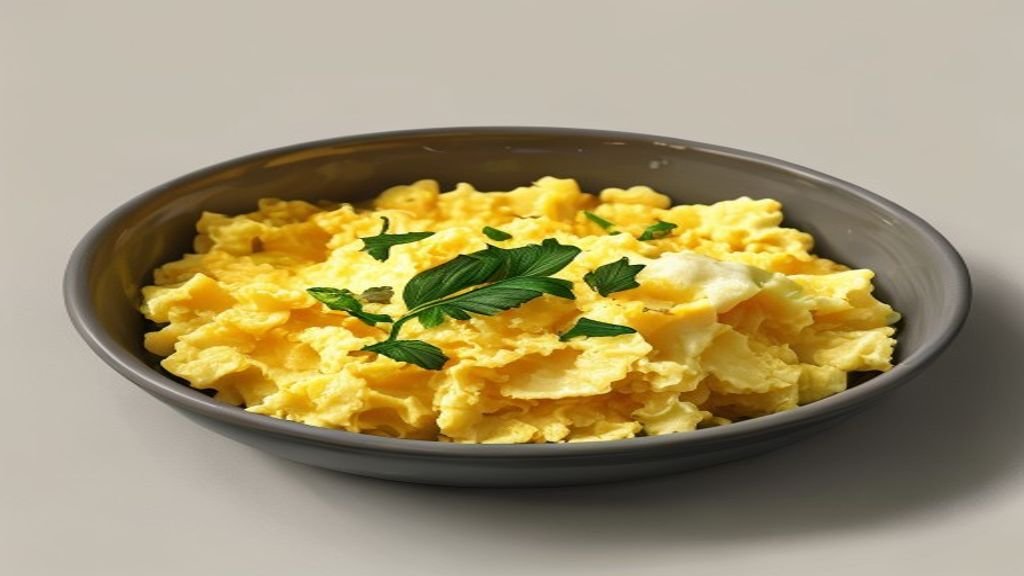

Eggs are one of the better “human foods” for dogs — genuinely nutritious, not just tolerated — as long as they’re cooked. This one follows the same logic as our cat egg safety guide, adjusted for dog-specific portions.
Quick disclaimer: I’m a pet parent and content researcher, not a veterinarian. Introduce eggs gradually and check with your vet if your dog has any digestive sensitivity or a specific medical condition.
Cooked, not raw
Per PetMD and the American Kennel Club, dogs can eat eggs when fully cooked and served plain — boiled, scrambled, or poached, with no oil, butter, salt, or other additions. Raw eggs carry a real Salmonella risk, which can cause vomiting, diarrhea, and dehydration, and raw egg whites also contain avidin, a protein that binds biotin and can interfere with its absorption if raw eggs become a regular habit. Cooking neutralizes avidin and eliminates the bacterial risk — it’s the simple fix that makes eggs a genuinely good food rather than a gamble.
How many eggs is reasonable
| Dog size | Approximate weekly amount |
|---|---|
| Small (up to ~4.5 kg) | About a quarter of an egg per week |
| Medium | Around half to one egg per week |
| Large | About one egg per week |
| Extra-large (40+ kg) | Up to about two eggs per week |
A commonly cited general guideline is 1-2 eggs per week for an average dog, adjusted up or down for size and overall diet — this isn’t meant to be a daily food.
Why cooked eggs are genuinely beneficial
Eggs bring real protein and amino acids to the table, which is part of why they show up as an ingredient in some commercial dog foods, not just a novelty treat. The nutritional upside is a real reason to include them occasionally, not just a “well, it’s not harmful” situation.
How to serve it
- Fully cooked, no runny yolk left
- Plain — no salt, oil, butter, onion, garlic, or seasoning of any kind
- Let it cool before serving
- Introduce gradually the first time, watching for any digestive reaction
Frequently asked questions
Can I put raw egg in my dog’s food, like some raw-feeding advice suggests?
Most veterinary sources recommend cooking eggs specifically because of the Salmonella and biotin concerns — if you’re following a raw-feeding approach, this is worth discussing directly with your vet rather than assuming it’s automatically fine.
Are eggshells safe for dogs?
Ground, clean eggshell is sometimes used as a calcium supplement in home-prepared diets, but this should be done under vet or veterinary nutritionist guidance rather than improvised — whole or sharp shell pieces are a choking and injury risk.
Can eggs cause allergies in dogs?
Yes, egg is one of the more commonly identified food allergens in dogs — introduce it in a small amount first and watch for itching, digestive upset, or other signs of a reaction.
Are scrambled eggs from a restaurant or with butter okay?
Better to make a plain version at home — restaurant or butter-cooked eggs usually include added fat, salt, or seasoning that isn’t ideal for a dog, even though the egg itself is fine.